How did people ever come to believe Trump is an active tool of Russia? Surely, the ex-president’s cavalier talk about Vladimir Putin helped this thought. The suggestion was everywhere. The hacked emails. The pro-Kremlin trolls.
But what really pushed the notion along, giving the perception of Trump’s supposed collusion with Russia an elegance, like something out of the plot out of a spy novel?
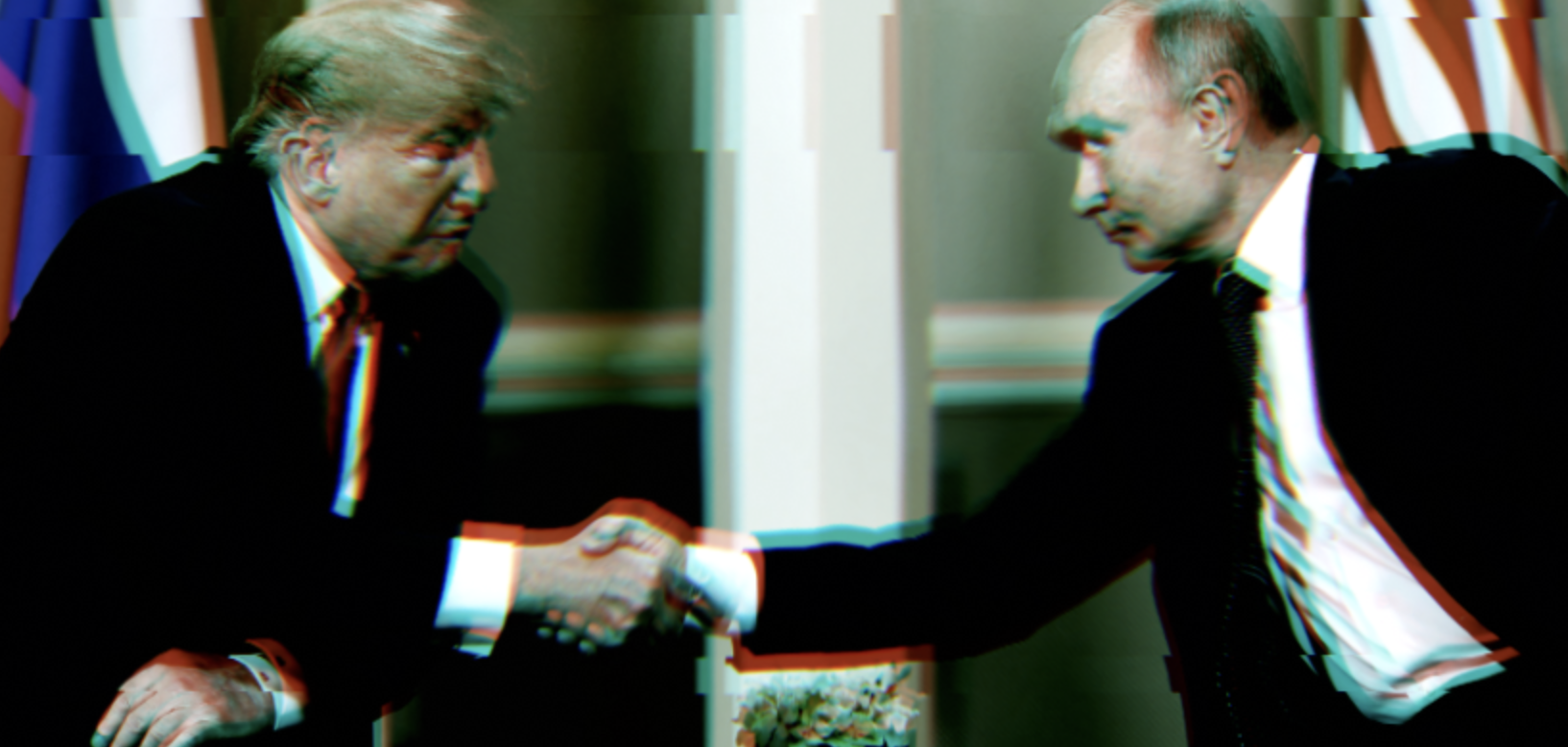
Perhaps the means by which we learned it: the networked world, which recasts the relationship of mind to fact itself. Media theorist Andrey Mir, following in footsteps of fellow Canadian Marshall McLuhan, argues the age of journalism has passed into the world of “post-journalism.”
As he writes: “Journalism strived to depict the world-as-it-is. Postjournalism imposes the world-as-it-should-be.”
More specifically, he writes: “In physical reality, truths were verified by collisions with solid objects. In digital reality, the only solid objects are others and algorithms. Truth is everything that complies with others and algorithms.”
In my world, no US president should speak so encouragingly about authoritarians. But because Trump does, all the other fears linked to such pulse across the network of information linked to him.
In this way swathes of the public, perhaps with a series of strategic nudges, could at one point believe Donald Trump was a Russian agent, even if he wasn’t and even if Trump, for all of his corruption, is well within the US tradition on foreign policy in many ways.
That logic explains a key theme in Ep 6 of Dark Shining Moment, the final episode which discusses the Trump collusion claim.
To internationally minded liberals, such an isolationist, authoritarian-friendly president shouldn’t exist. So the explanation for Trump becomes more elaborate. More sinister. And with no scarsity to publication, it can be endlessly speculated on and written about.
For more on post-journalism, Mir writes: The need to pursue reader revenue, with the news no longer being a commodity, is pushing journalism to mutate into postjournalism. Media outlets are increasingly soliciting subscriptions as donations to a cause. Journalism wanted its picture to match the world; postjournalism wants the world to match its picture. The ad-driven media manufactured consent. The reader-driven media manufacture anger. The former served consumerism. The latter serve polarization.
One entirely networked world, centerless, with no middle ground. No ‘either or’. Just ‘or and or’ converts topics to be discussed, into camps to join. And it’s extremely interesting to look at the psychology of the Trump-Russia/Russiagate collusion claim through this lens.


 Cold War Daily
Leave a comment